Meet the Women
Meet the Women
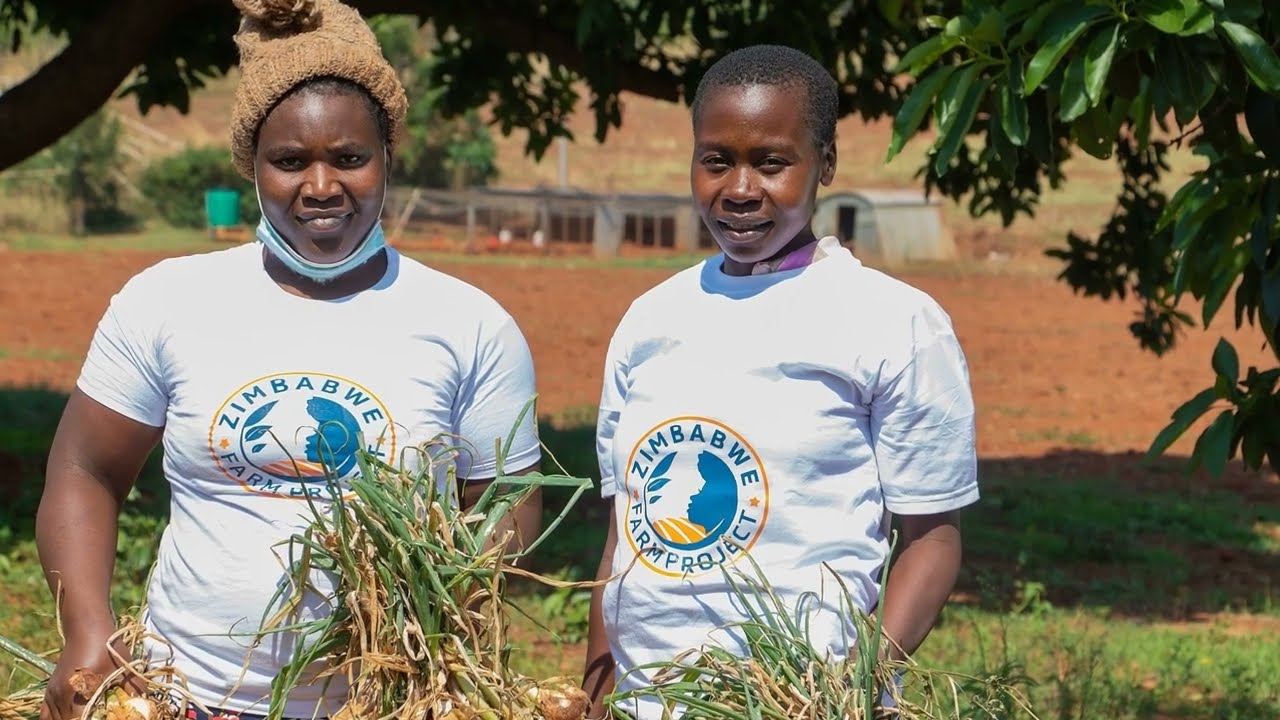
Meet some of the women of the Zimbabwe Farm Project. We are making a positive difference in the lives of women and children living in the local agrarian community, sowing positive seeds of empowerment into their lives.

Meet some of the women of the Zimbabwe Farm Project. We are making a positive difference in the lives of women and children living in the local agrarian community, sowing positive seeds of empowerment into their lives.
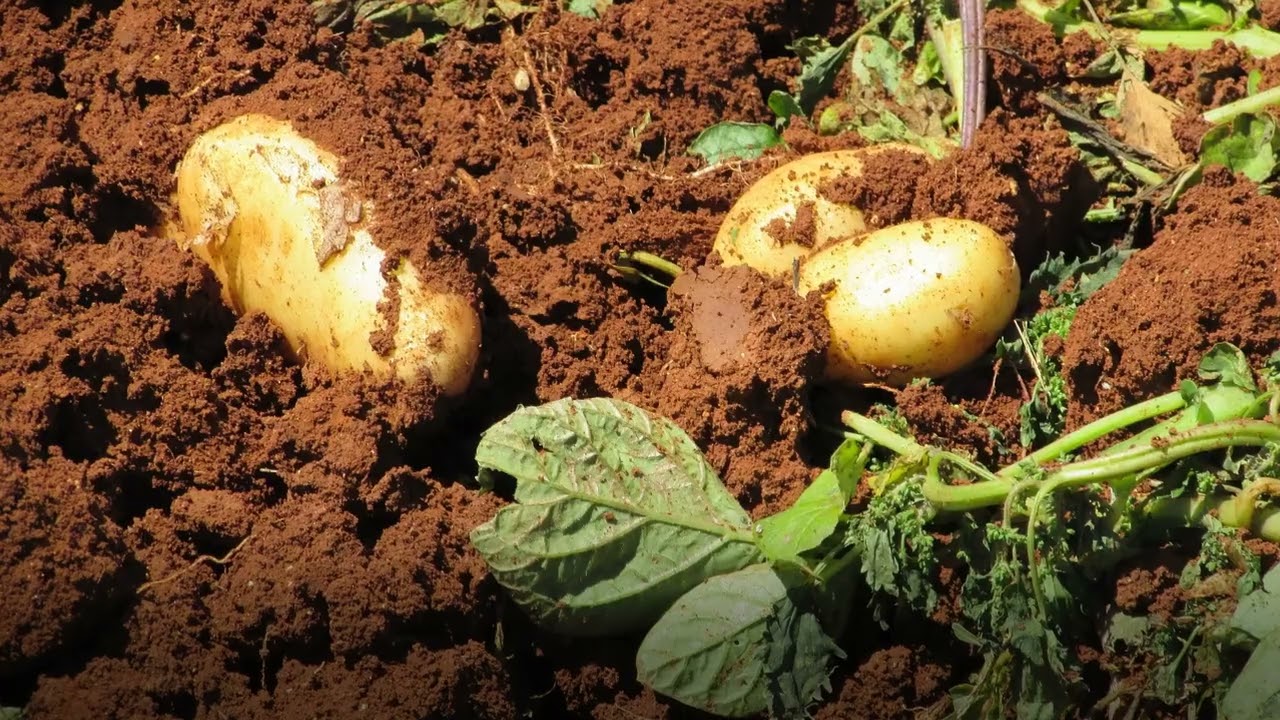
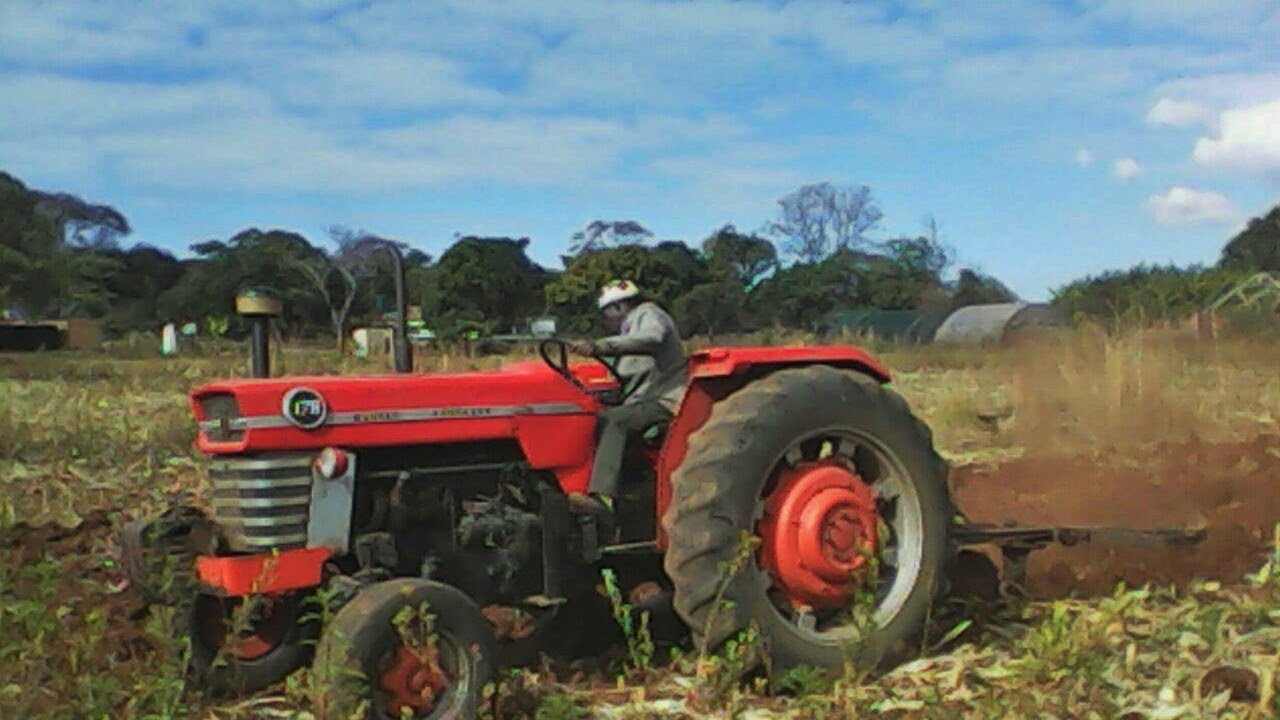
Growing potatoes has been a wonderfully enlightening. The Zimbabwe Farm Project manager, Mr. Charles Chirwa recommended planting root and tuber crops. Since he has successfully managed the planting and harvest of four seasons of crops for the project, this seemed like a worthwhile investment. Unlike previous years, rains have been plentiful this season, and since potatoes require consistent moisture, this was immensely helpful. The ‘ridging,’ also known as ‘hilling’ of the fields was done by a local tractor owner. This is typically done every few weeks to make sure that dirt covers the roots of the plants, and that the green potatoes are not exposed to sunlight which will cause them to be bitter.
In countries where food security is a systemic problem, the choice of eating organically grown foods versus those produced by traditional methods is rarely available. In our efforts to increase food security in the community, we made the decision to continue to use the sustainable farming techniques employed by my father. This includes recycling and re-purposing everything that is used on the farm. For instance, the corn husks, stalks, and other by-products of the harvests were given to a local cattleman to feed his livestock. All harvests, preparation, and packaging of crops for sale are completed manually. We rely on renewable resources and optimize biological productivity through crop rotations.
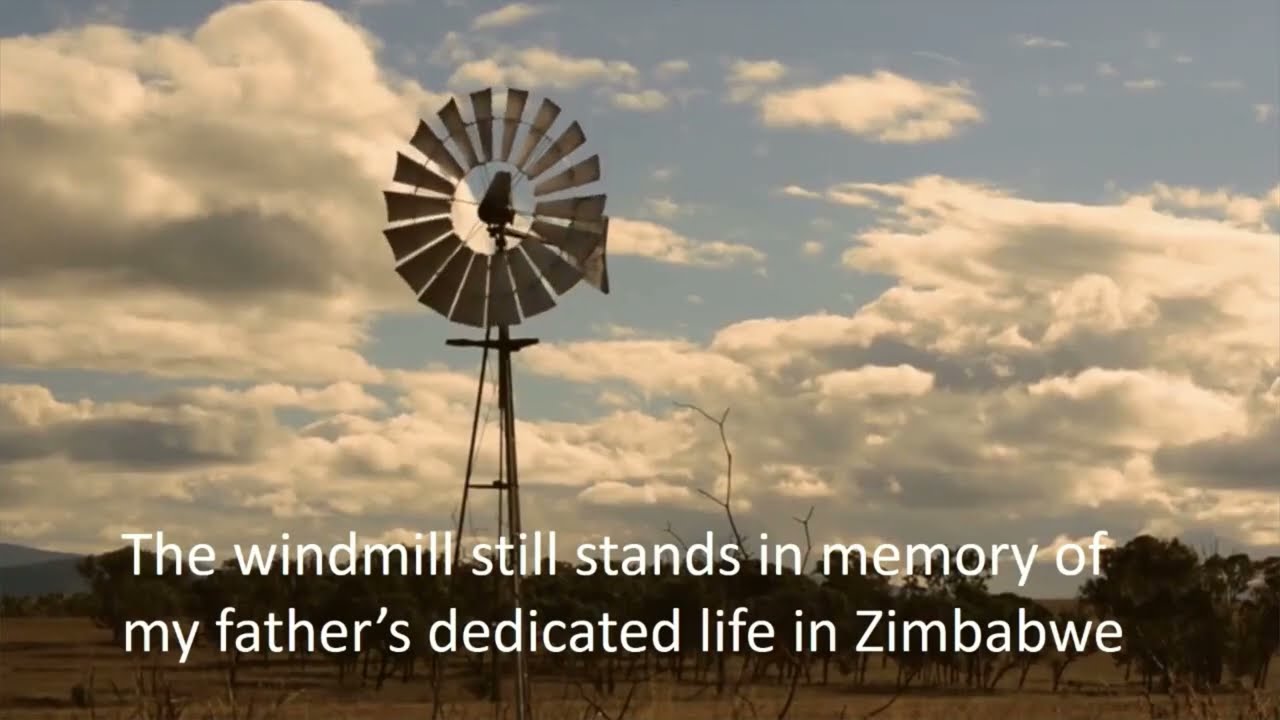
A windmill had been installed on the farm by my father for sustainable, low-impact living. The windpump pulled water from the 50-meter borehole and delivered clean water to the farm for drinking and irrigation. When the farm was converted for use by the Zimbabwe Farm Project into a working farm, we needed to repair the wind pump. Master plumbers and technicians were hired to fix it, but we subsequently discovered the wind was not strong enough to pump water to fields on the farm which lay at higher elevations. Therefore, we made the decision to retrofit the borehole with an electrical submersible pump, which provides the necessary pressure for irrigation. The windpump conversion has transformed the windmill into a monument to my father’s dedicated life in Zimbabwe.
The project has prospered, there have been a lot of lessons learned, which are being used to adjust program objectives in achieving food security and employment in the community. We continue to practice sustainable agriculture techniques growing crops dedicated to feeding the chickens, as well as planting macadamia orchards. The Zimbabwe Farm Project team has done and continues to exceed expectations in delivering life empowering solutions to self-improvement and sufficiency.